What works for people
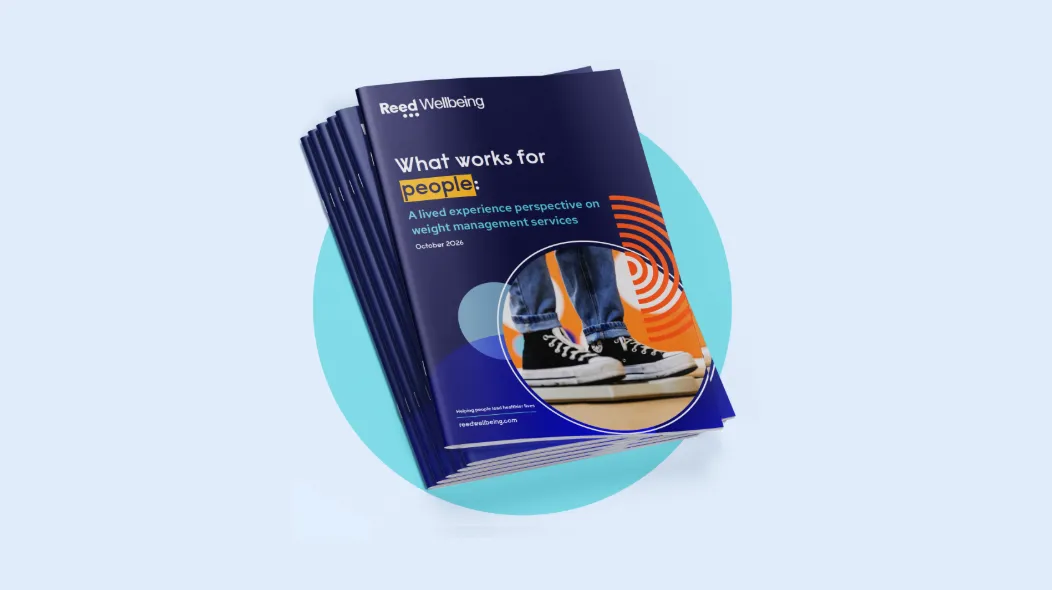
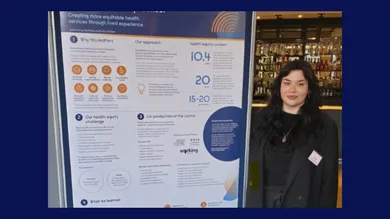
Today we launched our latest report, ‘What works for people: A lived experience perspective on weight management services’, at our One You Annual Provider Community Engagement Event in Westminster. The partnership event brought together health system partners across acute, primary and community care within Kensington, Chelsea and Westminster to discuss how to strengthen our preventative pathways.
As health and care systems continue to focus on prevention, reducing health inequalities and supporting people to live healthier lives, there is growing recognition that effective services must be shaped by the experiences of the people who use them.
One of the strongest messages from this research is that people want services designed with them, not for them. While clinical outcomes and programme measures remain important, we must also consider the difference between the outcomes we measure and those that motivate people.
For many participants, success was not defined solely by a number on the scales. It was having more energy, feeling more confident, improving their wellbeing or being able to participate more fully in everyday life. If we are serious about supporting lasting behaviour change, we need to become better at recognising and evidencing the personal goals that matter most to people.
Our report explores what people with experience of weight management services say matters most when designing and improving programmes. We identified four priorities through this lived experience engagement:
1. Access
People want clearer information, consistent messaging and introductions from professionals or organisations they already know.
2. Personalisation
Rather than focusing solely on weight loss itself, participants want services to reflect their individual priorities around health, lifestyle and wellbeing.
3. Mental health and wellbeing
Participants emphasised the need to recognise emotional influences on behaviour, provide compassionate support and ensure access to specialist help where required.
4. Sustaining change
People want support that continues beyond a single service that helps them stay motivated and connects them with local support to enable long-term behaviour change.

Together, these findings reinforce that successful weight management services must do more than help people lose weight. They must support individuals to overcome barriers, build achievable habits, maintain motivation and access the wider support they need to improve their health and wellbeing over the long term.
This aligns with the growing emphasis on co-production across health and care systems. NHS England and commissioners increasingly recognise that people with lived experience bring unique insights into what works, what does not and where services can be improved. Services designed with people, rather than for them, are more likely to meet local needs and achieve sustainable outcomes.
As local healthcare systems are embedding neighbourhood health in practice and looking for innovative ways to improve outcomes, this report also offers a reminder that innovation is not always about introducing new technology or creating new interventions. Sometimes the most valuable innovation is creating better opportunities for people with lived experience to influence decisions, challenge assumptions and shape services from the outset.
For providers, commissioners and healthcare leaders, the report offers practical insight into how weight management services can better support people to start, sustain and succeed in their health journeys.
By combining research, professional expertise and the voices of people who use services, we can design healthcare support that is more responsive, more equitable and ultimately more effective.
Read our new report here.